The Garden She Left Inside Me
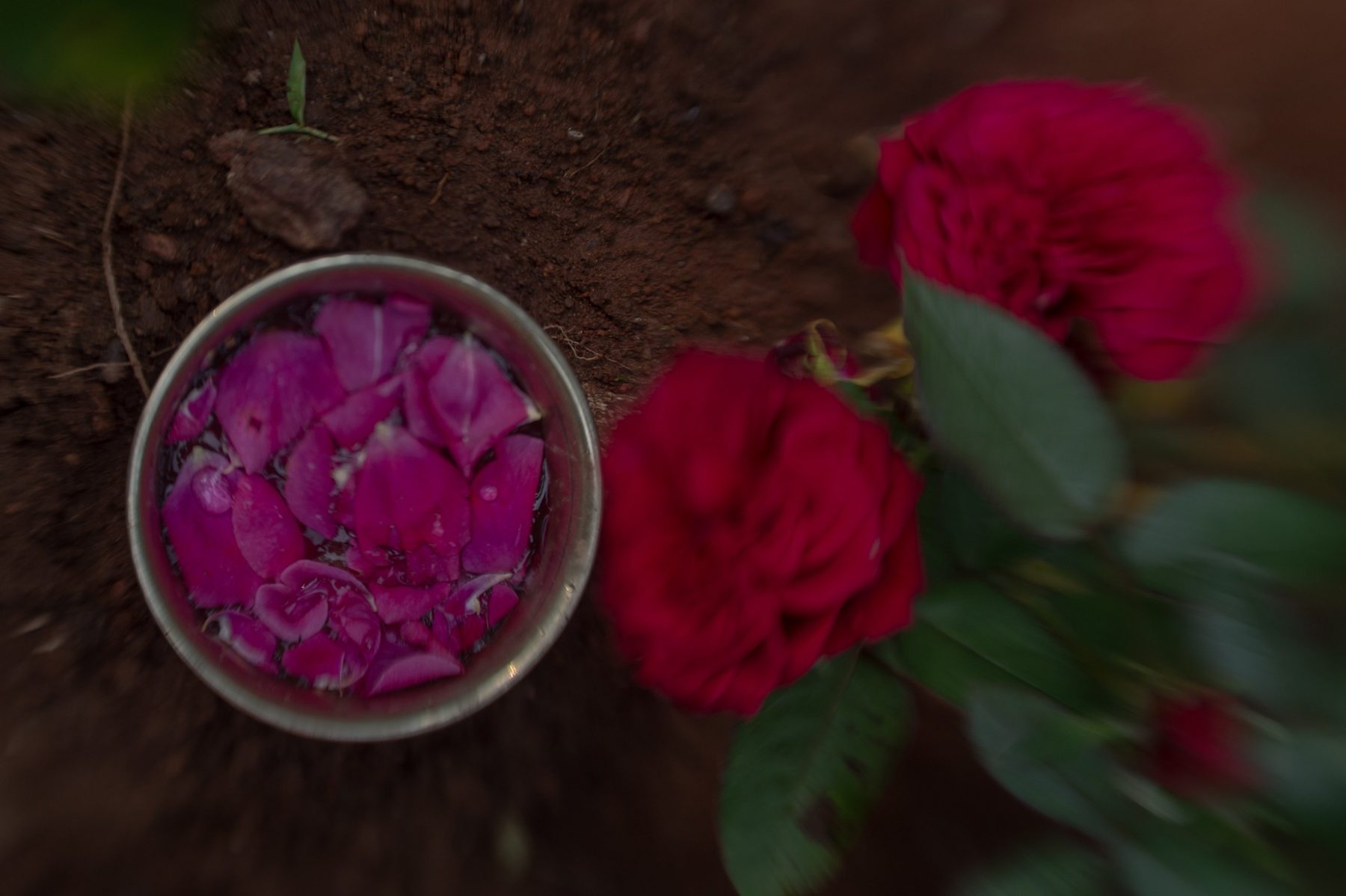
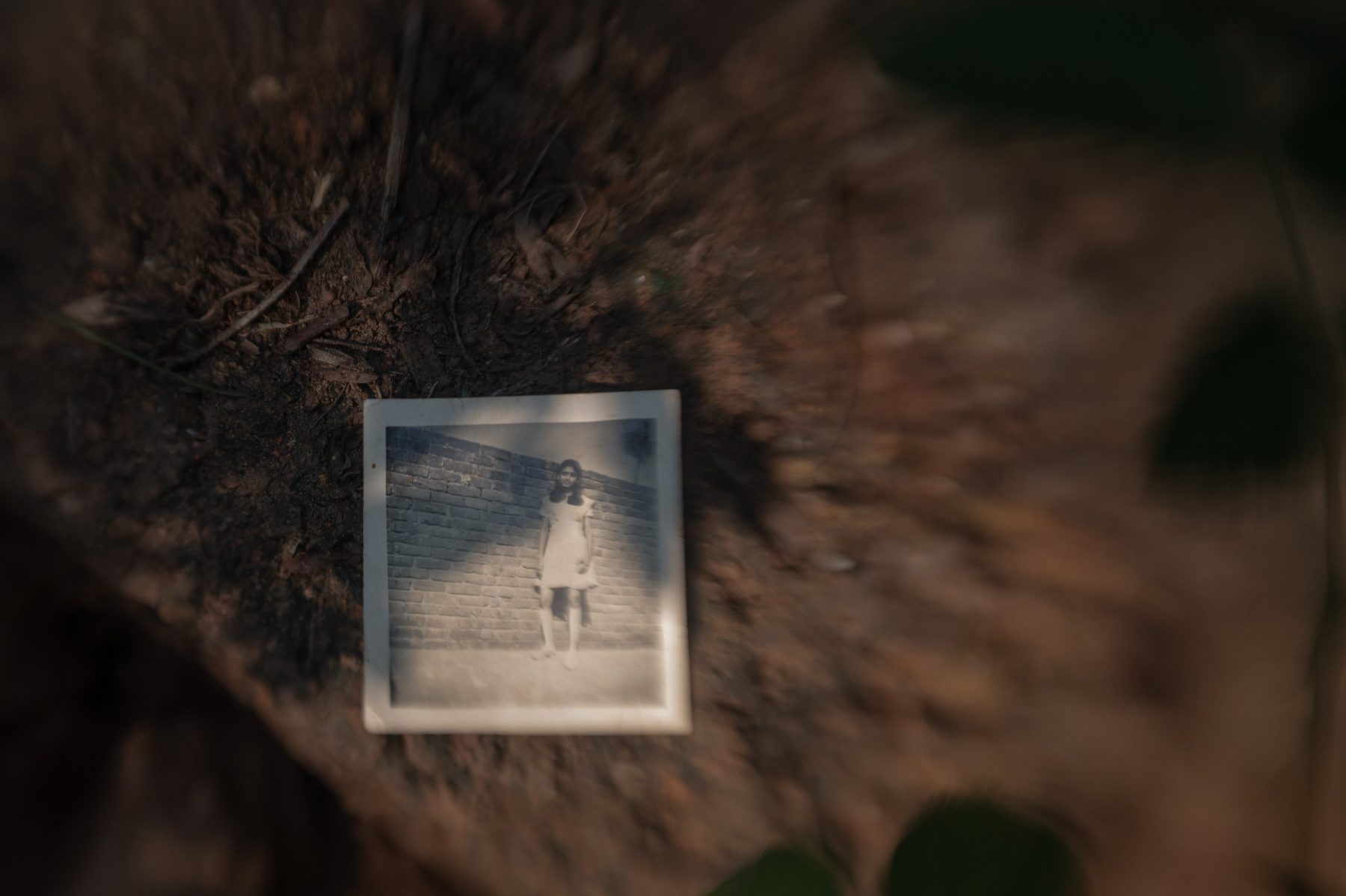
The morning after my mother died, in 2005, I found a bowl of water with rose petals steeping in it. She made rose water this way, for her own daily care. It was the most ordinary thing in the house, and the only one that still seemed to hold her.
For fifteen years I could not look at roses. In 2020 something loosened, and the years that followed taught me that grief does not end so much as change its texture, the way soil changes after rain.
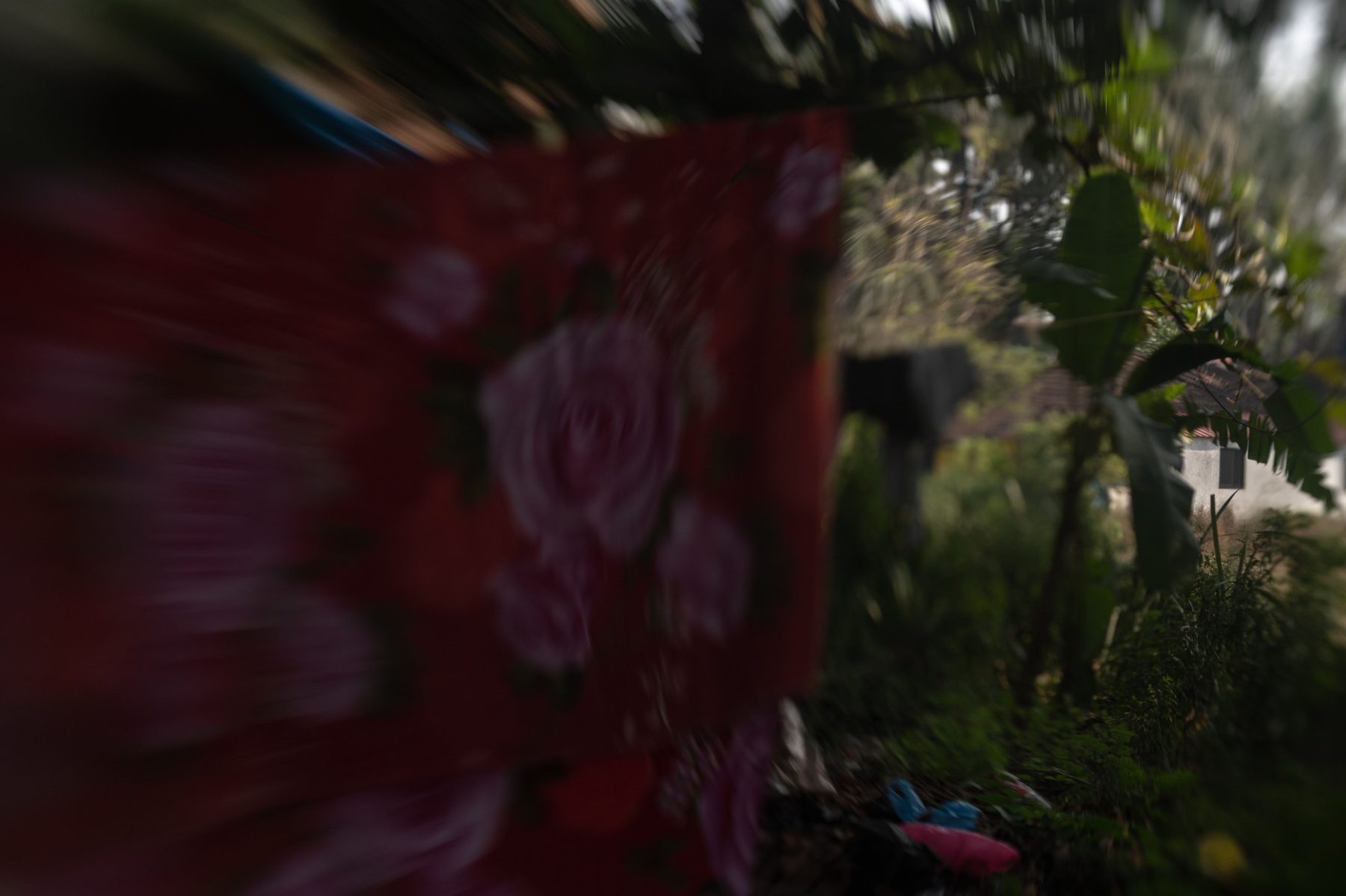
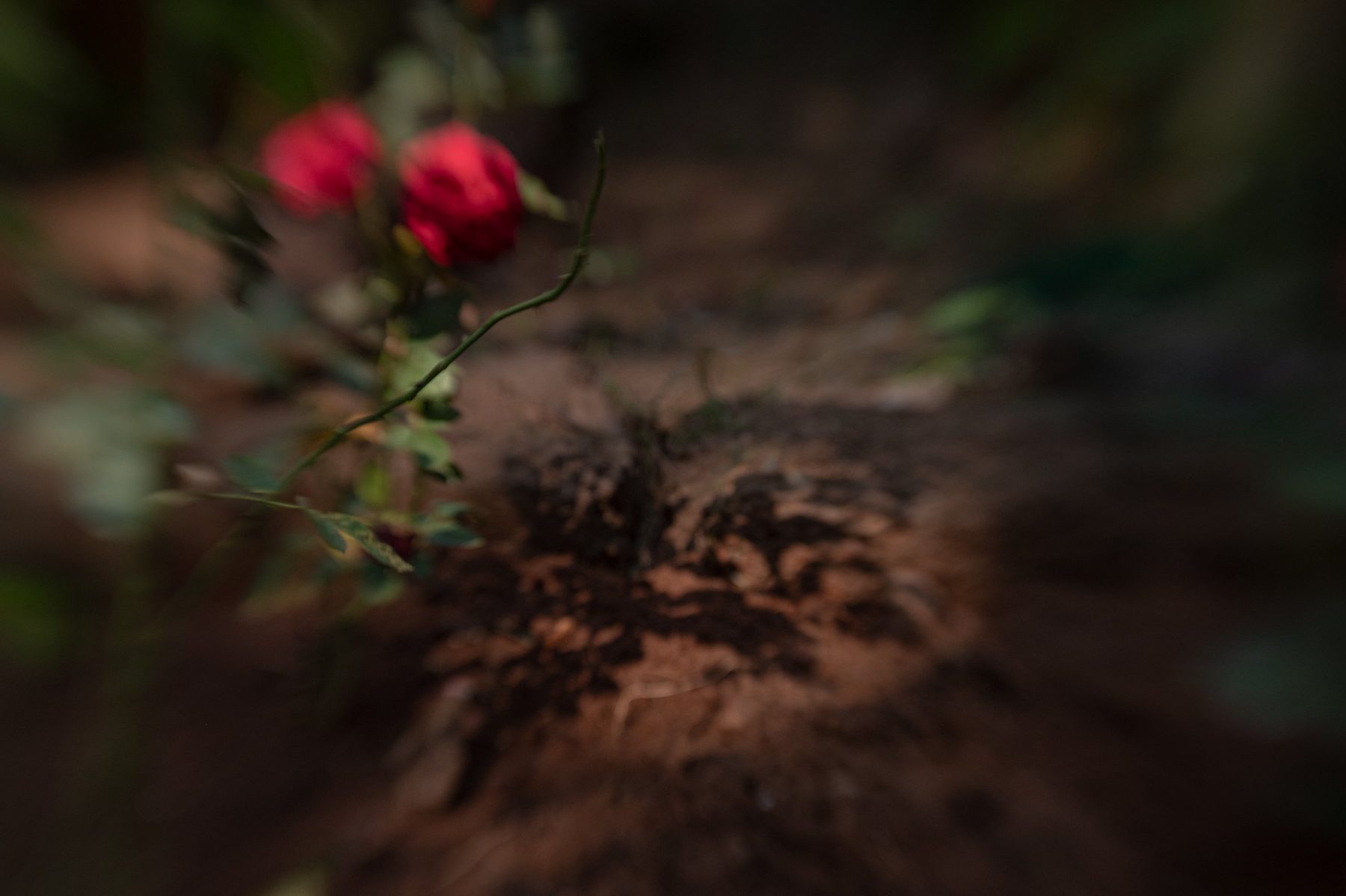
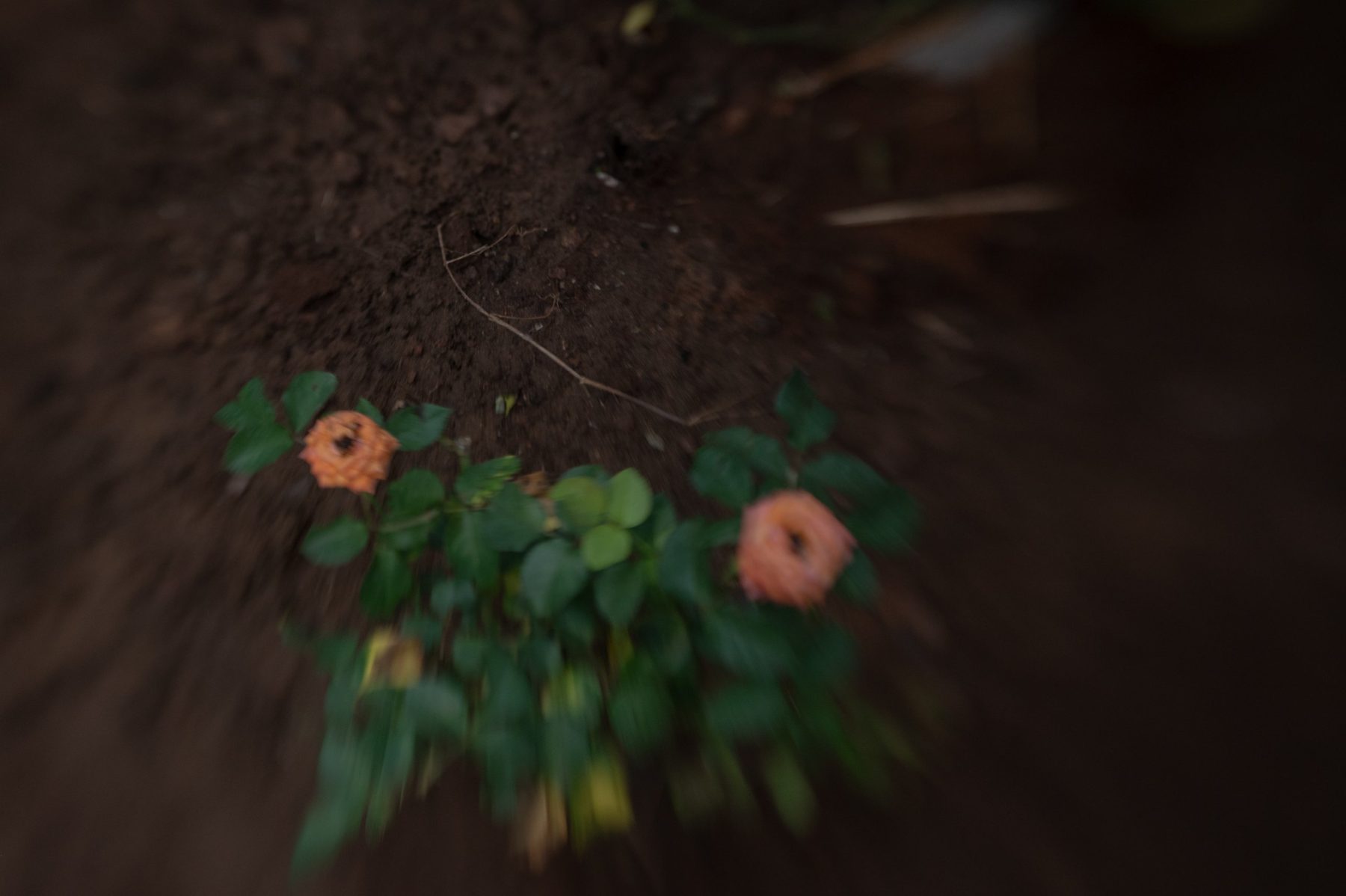
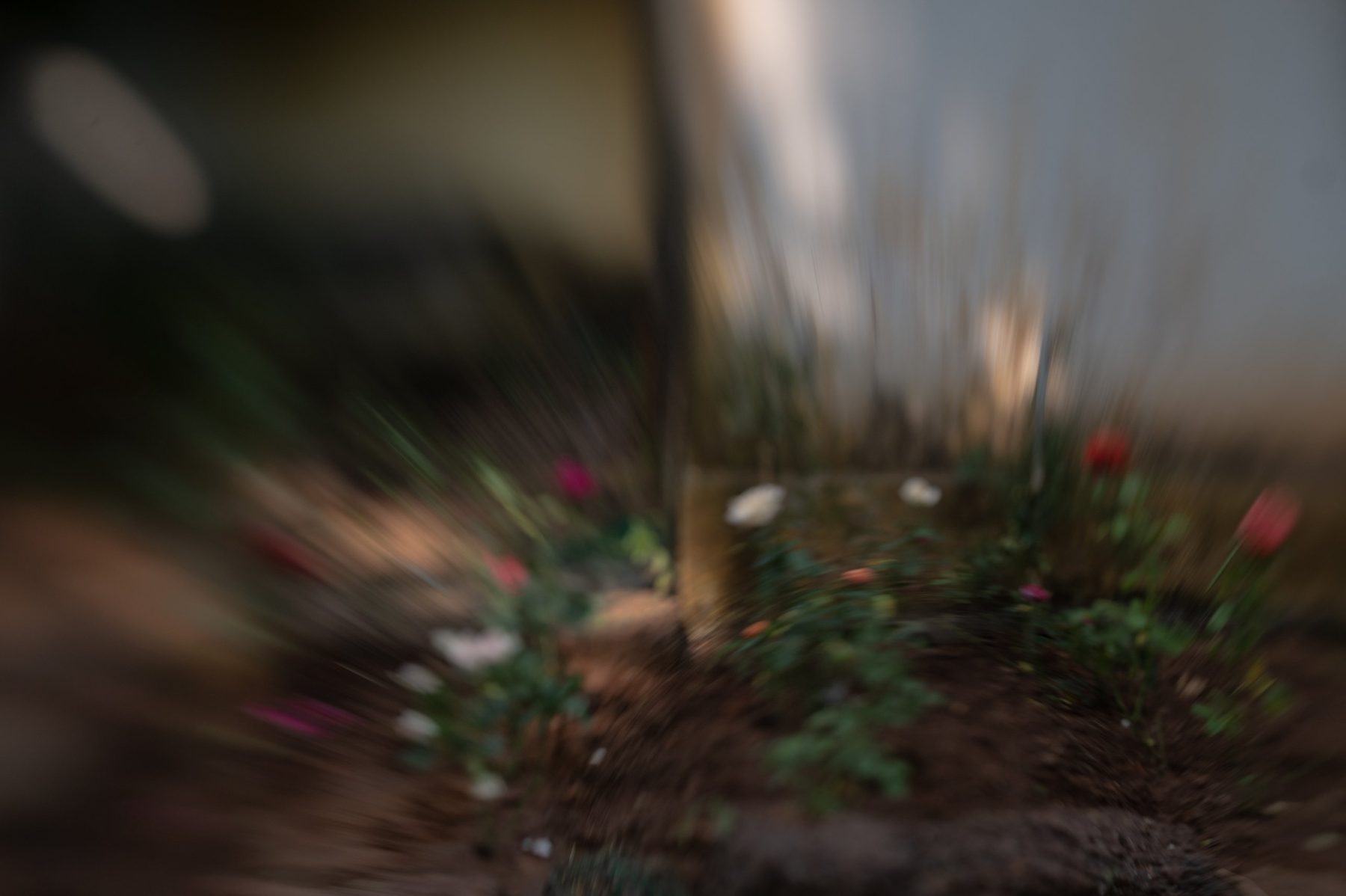
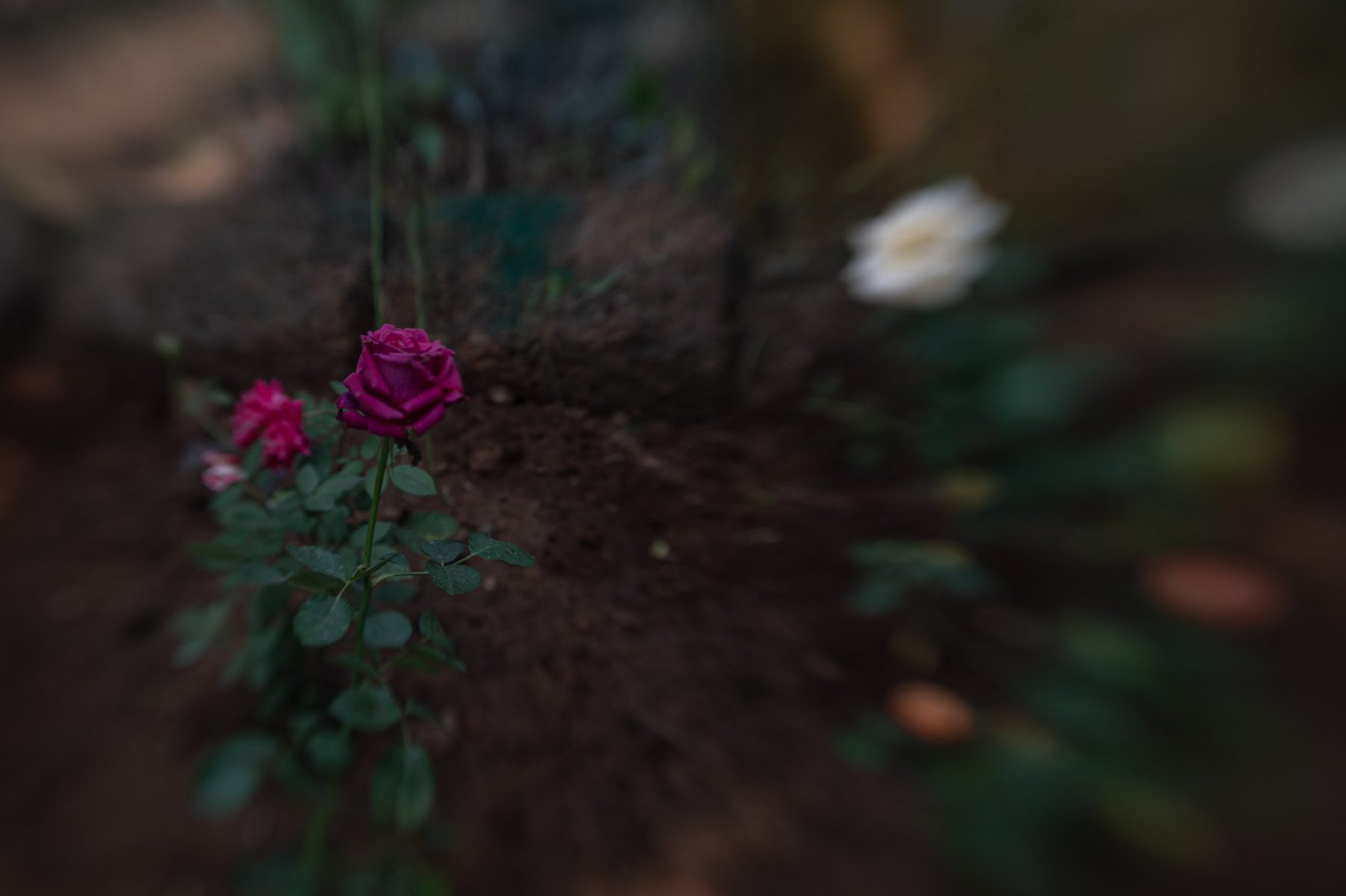
In 2025 I began a small regenerative garden in Goa Velha, learning floriculture from the ground up: laterite, monsoon, and water that runs short. When it ran out, I uprooted the beds and began again. I photograph the garden with a lens that holds one point in focus and lets the rest drift, the way memory behaves for me. Never sharp, never absent.
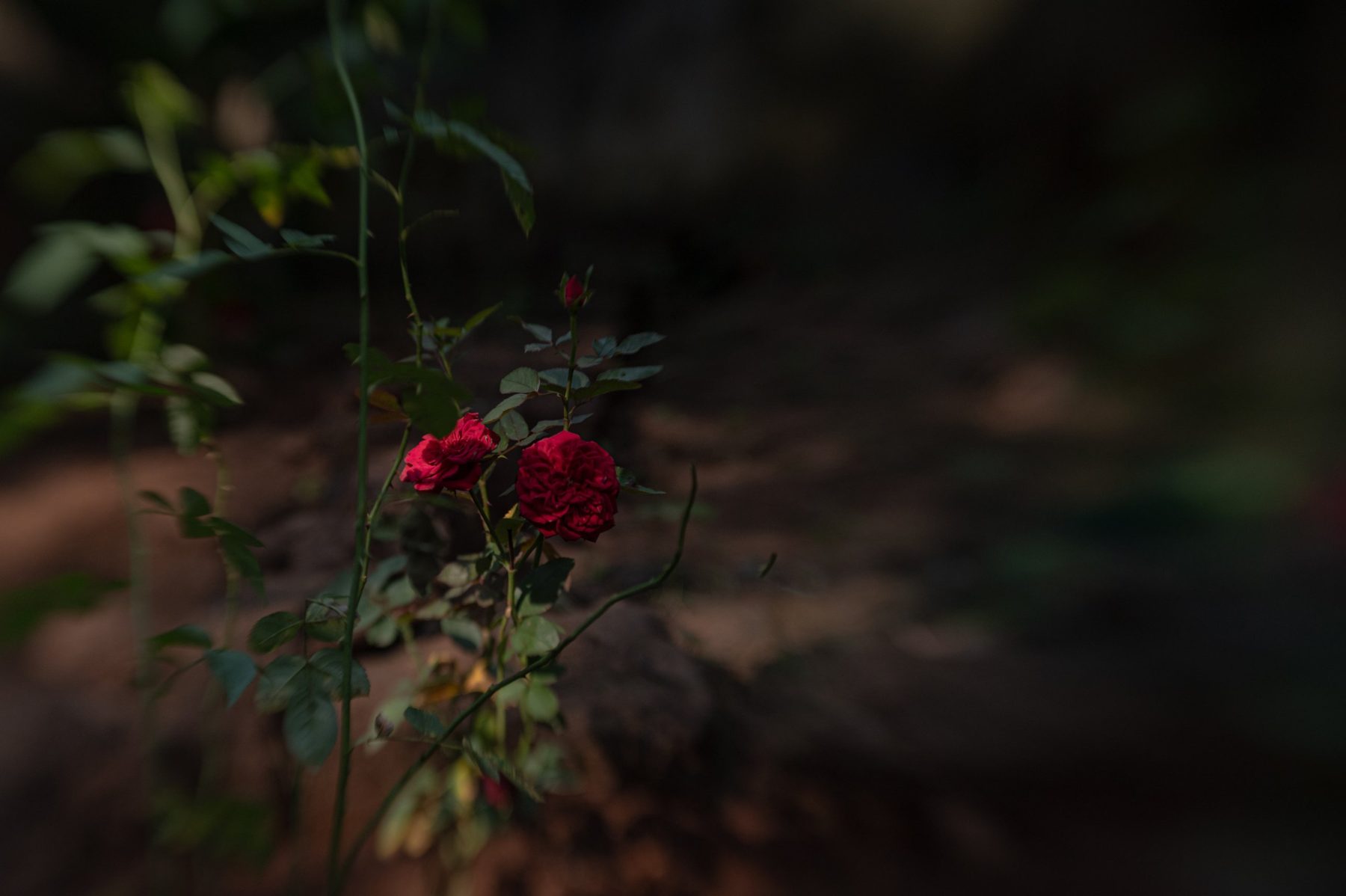
Tending roses and hibiscus, I have come to read them differently. They are less a reminder of loss than a continuation of what she paid attention to: the living world, the reuse of things, small daily care.
The garden is also a field of inquiry. I am documenting regenerative floriculture, in my own beds and with other growers, to understand what this way of growing returns to the land and to the people who tend it.